

Teaching English when life is not stable. (My reflections on teaching migrants, most of whom are refugees)

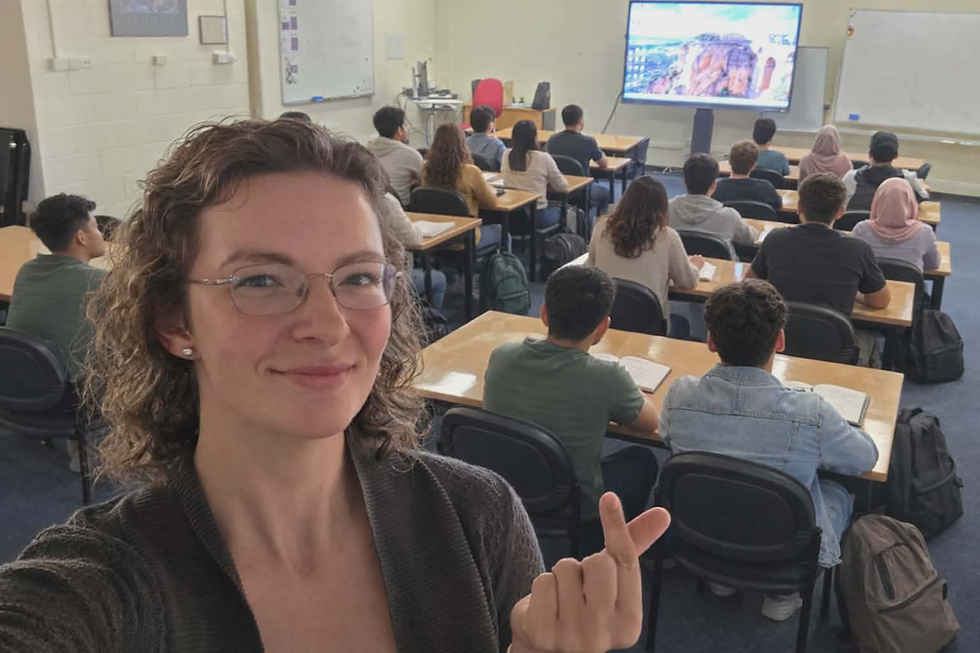
For the last several years I’ve been teaching migrants from all over the world. At the moment, I have 18 nationalities in one classroom. Eighteen different languages, cultures, stories, all in the same space, trying to learn English.And somewhere along the way, I realised that what I do is far more than just teaching a language.
Many of my students are not just “students.” They are people juggling jobs, family responsibilities, and, for some, very real trauma. They come to class after long shifts, after sleepless nights, after difficult phone calls and constant news updates from home. English is just one small part of everything they carry.
So when we talk about homework, I’ve had to rethink what that even means. Instead, the classroom becomes something else. A place where, for a few hours, they can focus on something within their control. a pause, a place where they can speak, try, make mistakes, and not feel judged. A place that feels, even briefly, safe.
But this is a two-way road. Teaching English when life is not stable also means caring for ourselves as teachers. I’ve come to see that as one of my main roles: not just to teach English, but to protect that space. To keep their desire to learn alive, even when everything outside the classroom is pulling them in different directions. To remind them, and sometimes myself, that learning a language is not just about the final goal. It’s about the process.
I used to focus a lot on outcomes. Progress. Results. Levels. Now, I see it differently.
Showing up is progress.Speaking one sentence is progress.Smiling in class after a difficult day is progress.
The journey matters more than the result. And in that journey, they need more than a teacher at the front of the room. They need someone present. Someone active. Someone who understands when to push and when to pause. Someone who leads with patience and compassion. I’ve realised that I don’t just lead them forward, I walk alongside them. And as they show up every day, despite everything, I find myself learning more than I ever expected.
I’m incredibly proud to work with people who are, without exaggeration, some of the strongest human beings I’ve ever met. I probably learn more from my students than I can ever give them. If I can make their English learning journey just a little bit easier or at least a little bit lighter, then I know I’m doing something right.
Katya Zhalkovich Perth- Australia


Great article Katya. Interesting to hear about English teaching in a different context.